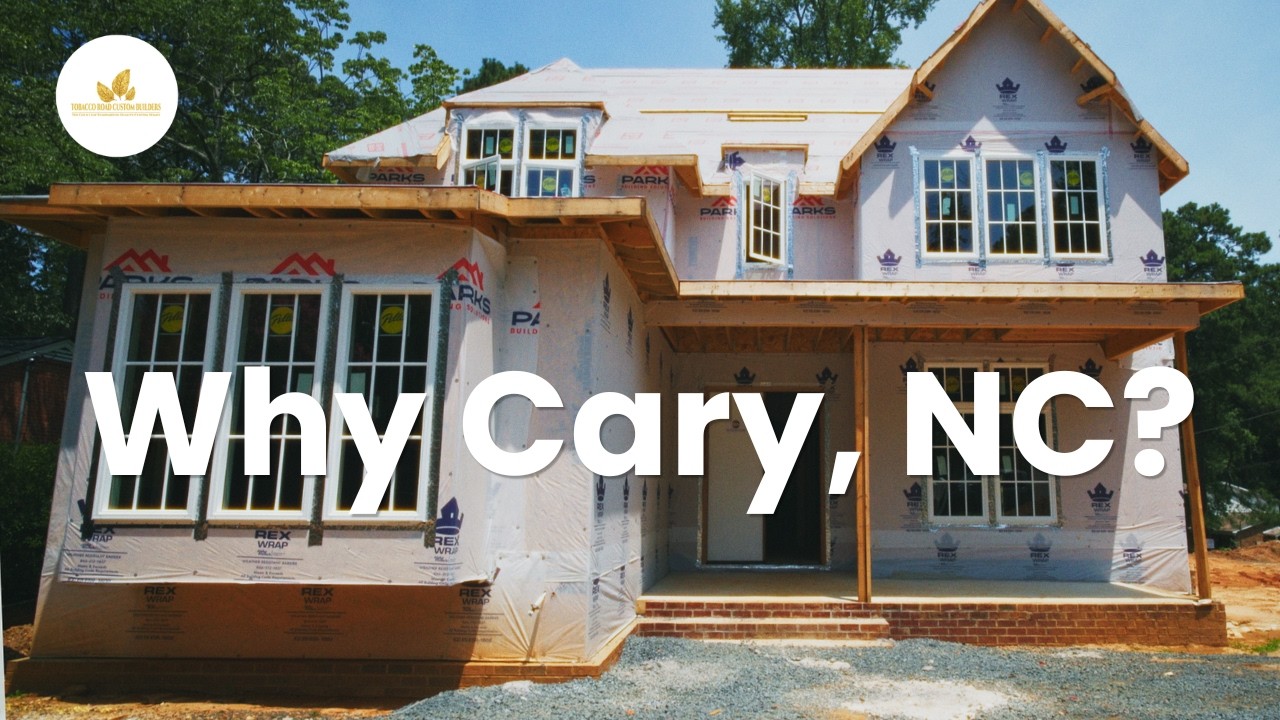


Custom Home Builders Inside the Beltline Raleigh, NC
Inside the Beltline, or ITB, refers to the area of Raleigh enclosed by Interstate 440. It is the older core of the city, made up of dozens of distinct neighborhoods, most of them developed before the 1970s. Buyers searching for a custom home in this part of Raleigh are usually drawn by some combination of three things: proximity to downtown, mature trees and established streets, and neighborhoods with a defined sense of place.
Building a custom home inside the Beltline involves a different set of considerations than building in newer parts of the Triangle. Most lots are part of long-established neighborhoods, which shapes everything from permitting timelines to design decisions.
What building inside the Beltline involves
Lot patterns: Most ITB lots range from a quarter acre to just over an acre, with larger parcels concentrated in a handful of older neighborhoods. Lot shapes are often irregular, reflecting how the original streets were platted. The practical building envelope on any given lot can be smaller than it appears on paper once setbacks, easements, and tree protection are factored in.
Tear-down and rebuild patterns: Much of the original ITB housing stock dates to the 1920s through the 1960s. A significant share of current custom home activity within the Beltline is rebuild work, in which an existing home is taken down, and a new one is built on the same lot. Renovation projects are also common, particularly when the existing structure has architectural value or historic significance.
Some ITB neighborhoods carry additional layers of review through historic overlay districts or neighborhood conservation overlays, which can extend timelines and add design requirements. A site walk before purchase is the most reliable way to understand which constraints apply to a specific lot.
Tree protection: Most ITB neighborhoods are heavily treed, and the City of Raleigh's tree protection requirements apply to construction projects in this area. Mature hardwoods on a lot are an asset and a planning consideration at the same time. Build sequencing, equipment staging, and root zone protection all factor into the early design phase.
Architectural range: ITB neighborhoods support a wide stylistic range. Traditional, transitional, and contemporary builds are all found throughout the area, with the appropriate direction often informed by the surrounding street and the neighborhood's character.

Recent Stories